A breakdown of how Uber and Lyft insurance coverage works across the three trip phases, who may be liable for your injuries as a passenger, and what steps protect your claim.
September 25, 2026
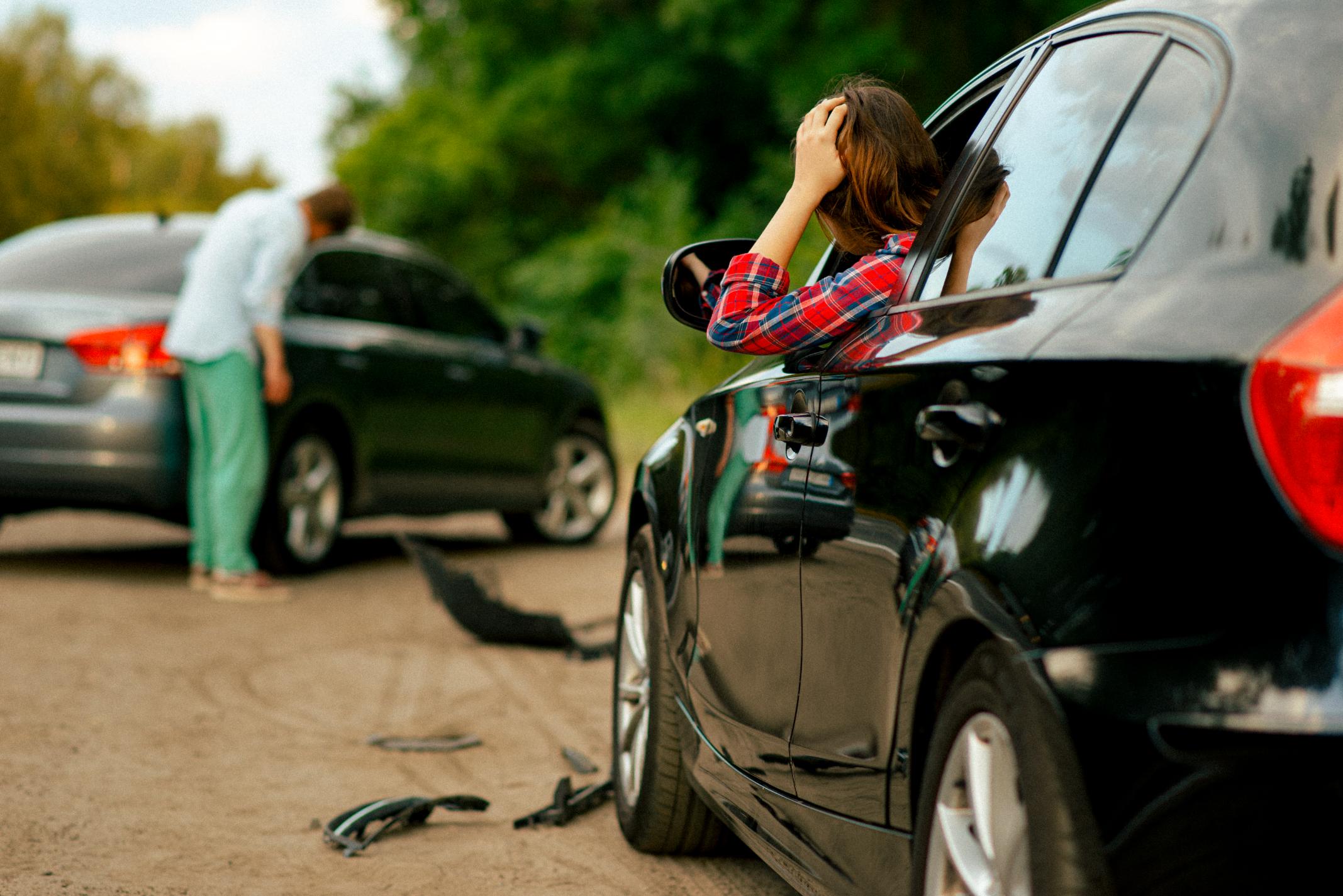
You didn't cause the accident. You were just along for the ride. But when an Uber or Lyft crash leaves you hurt, figuring out who covers your medical bills, lost wages, and pain can feel like a second injury. The answer depends on a detail most passengers never think about: what the driver's app showed at the exact moment of impact.
Here's how rideshare insurance actually works, and why it matters for your claim.
Uber and Lyft don't operate like regular car companies. Their drivers are independent contractors, which means their personal auto policies are the starting point, not the company's. To fill the gaps, both companies layer commercial insurance on top, but how much coverage applies shifts depending on which phase of the trip the driver was in.
Rideshare trips are divided into three distinct periods. Each one determines which insurance responds to your injury and for how much.
Period 1: App on, no ride accepted yet
The driver is logged in and available but hasn't matched with a passenger. If an accident happens now, the driver's personal insurance is the first line of defense. Both Uber and Lyft provide contingent liability coverage during this phase, typically $50,000 per person and $100,000 per accident for bodily injury, but only if the driver's personal policy doesn't apply. Coverage here is limited, and this is where passengers are most exposed.
Period 2: Ride accepted, on the way to pick you up
Once the driver accepts a trip request, the equation changes. Uber and Lyft's commercial $1 million liability policy activates. Even though you're not in the car yet, their coverage is now primary.
Period 3: Passenger in the vehicle
This is where you are as a rideshare passenger. The $1 million commercial liability policy continues, and in most states, additional uninsured and underinsured motorist (UM/UIM) coverage also applies. This is the highest level of protection in the rideshare insurance structure.
As a passenger on an active trip, you were in Period 3. That means Uber or Lyft's commercial insurance policy, not the driver's personal coverage, is the primary source of compensation for your injuries.
If your driver caused the crash, that $1 million policy is the pool from which your medical bills, lost wages, and other damages are recovered. If another driver caused the crash and they're uninsured or underinsured, UM/UIM coverage may apply, though the limits and rules vary by state.
What doesn't change: your status as a passenger means you were not at fault. That matters.
In a rideshare accident, more than one party can be responsible for your injuries.
The rideshare driver may be liable if they were distracted, speeding, or otherwise negligent. Even as contractors, their actions behind the wheel can expose the company's policy to a claim.
Another driver may be at fault if they caused the collision. In that case, their personal insurance responds first, and if their coverage isn't enough, the rideshare company's UM/UIM policy may step in.
A third party, such as a vehicle manufacturer or a government agency responsible for road conditions, could also share liability in certain cases.
Part of building a strong claim is identifying every party whose negligence contributed to what happened. That process, and knowing which insurance policies to pursue in what order, is where having legal help makes a real difference. Lawfty has handled over 69,290 signed cases, with nearly $1 billion recovered for clients, and a team that knows how to navigate exactly this kind of multi-party, multi-insurer situation.
The decisions you make in the hours and days after the crash affect your claim.
Seek medical attention right away, even if you feel okay. Symptoms from soft-tissue injuries and concussions often appear later, and a gap in treatment can be used against you.
Document everything you can. Take photos of the scene, your injuries, and any vehicle damage. Note the driver's name, license plate, and the rideshare company. Ask for contact information from witnesses.
Report the accident through the rideshare app. Both Uber and Lyft have in-app reporting tools. This creates a record tied to the specific trip.
Do not accept a quick settlement offer without understanding the full extent of your injuries. Insurance companies move fast after accidents, and early offers rarely reflect what your case may actually be worth.
Contact a personal injury attorney before giving recorded statements to any insurance company. What you say in those early conversations can limit your recovery later.
A rideshare passenger injury claim can include compensation for medical expenses, both current and future; lost income while you recover; pain and suffering; and in serious cases, long-term disability or diminished quality of life.
The value of your claim depends on the severity of your injuries, the clarity of liability, and whether all responsible parties and coverage sources are identified. With 4.2 million inquiry calls handled and experience across thousands of rideshare and motor vehicle cases, Lawfty can help you understand what you may be owed.
For most injury claims, the coverage structure is similar. Both Uber and Lyft maintain at least $1 million in commercial liability coverage during active trips, in most states. Some differences exist in how each company handles claims administration and arbitration, which can affect the timeline and process of your case. An attorney can advise you on the specifics.
That's common. Most personal auto policies exclude commercial driving, which is why drivers are required to carry their own rideshare endorsement or rely on the company's commercial policy. If a personal insurer denies the claim, the rideshare company's commercial policy typically steps in as the primary coverage source during Periods 2 and 3.
Yes. Rideshare insurance requirements are set at the state level, and minimums vary. California, for example, changed its uninsured motorist coverage rules for rideshare passengers in January 2026 under SB 371, reducing certain UM/UIM protections for situations where a third-party uninsured driver causes the crash. Most other states still maintain the $1 million standard during active trips. Your state's rules at the time of the accident govern your claim.
This is where UM/UIM coverage matters. Both Uber and Lyft carry uninsured and underinsured motorist coverage during active trips in most states, which can compensate you when the at-fault driver can't. The specific limits and rules depend on your state and the circumstances of the accident.
Personal injury claims are subject to statutes of limitations that vary by state, generally ranging from one to three years from the date of the accident. Missing that window can bar you from recovering anything, regardless of how strong your case is. If you were injured in a rideshare accident, getting legal advice sooner rather than later protects your options.
You weren't driving. You weren't responsible for what happened. But without the right legal support, the insurance process can still leave you with less than you deserve.
Lawfty's network of hand-picked law firms has handled cases like yours across the country. Get your free case evaluation today and find out what your case may be worth.
Disclaimer: This content provides general information about rideshare passenger injury claims and how Uber and Lyft insurance coverage works. It is not legal advice and should not be relied upon as such. Coverage rules, insurance requirements, and statutes of limitations vary by state and can change. If you were injured as a passenger in a rideshare accident, consider consulting with a qualified personal injury attorney to discuss the specific facts of your situation.
.png)
Explore more blogs and helpful insights on personal injury law and your rights.

Our team will review your information and will contact you within three hours during our work day. If it’s outside of our business hours, please give us 24 hours for us to get back to you. If you need to speak with someone sooner, please call us at +1 (844) 577-0226.


.jpg)