Learn what determines personal injury compensation, from injury severity and medical costs to lost income, pain and suffering, fault, insurance, and state law.
October 2, 2026

Personal injury compensation is determined by the severity of the injury, the cost of medical care, lost income, future needs, pain and suffering, available insurance, evidence, and the injured person’s share of fault. The stronger the connection between the accident and documented harm, the easier it is to support a fair demand.
Most accident injury claims begin with liability. In plain language, liability asks: who caused the harm, and can it be proven? A clear rear-end collision with a police report, photos, medical records, and witness statements is usually easier to evaluate than a disputed fall with no video, delayed treatment, and conflicting accounts.
The second major issue is damages. Damages are the losses the injured person is asking to recover. Compensation guidelines are not a guaranteed chart of payouts; they are a way to organize the facts so insurers, attorneys, mediators, judges, or juries can understand what the claim is worth.
Important factors often include:
Personal injury payouts usually combine several types of damages. Some are easy to calculate because they are tied to bills or wage records. Others require judgment because they involve pain, trauma, inconvenience, and permanent life changes.
Economic damages are the financial losses caused by the injury. These are often the foundation of a compensation calculation because they can be supported with documents.
Common examples include:
Medical bills deserve careful attention. The amount billed is not always the same as the amount legally recoverable. Some states use special rules for medical expense evidence. For example, Texas law limits recovery of medical or health care expenses to amounts actually paid or incurred by or on behalf of the claimant.
Non-economic damages compensate for losses that do not come with a receipt. These damages may include physical pain, emotional distress, anxiety, scarring, disfigurement, loss of enjoyment of life, and the strain an injury places on relationships and routines.
This part of serious injury compensation can be heavily disputed. Insurance adjusters may argue that pain improved quickly or that the injured person had pre-existing symptoms. A claimant may respond with medical notes, consistent treatment, daily pain logs, photos of visible injuries, testimony from family members, and clear examples of what changed after the accident.
Punitive damages are different. They are not meant simply to repay the injured person for losses. They are meant to punish especially wrongful conduct and discourage similar behavior. Because they depend on state law and the defendant’s conduct, they are not part of most everyday personal injury claims.
Punitive damages also matter for tax planning. The IRS generally treats compensatory damages received because of personal physical injuries or physical sickness differently from punitive damages, which are generally taxable even when connected to a physical injury case.
Compensation calculation usually starts by adding economic damages, then evaluating non-economic damages based on injury severity, recovery time, long-term impact, and proof. Negotiators may use methods such as a multiplier, a daily rate, insurance evaluation software, or comparisons to similar resolved claims, but these are tools rather than binding rules.
A simple hypothetical example can make the process clearer:
This example is not a promise of value. It simply shows how different inputs can affect a claim. Two people with similar medical bills may receive different results if one has permanent limitations, stronger witnesses, clearer liability, or higher available insurance.
The more serious and lasting the harm, the more attention a claim usually receives. Minor soft-tissue injuries with short treatment windows are often evaluated very differently from injuries involving surgery, disability, disfigurement, or long-term medical care.
Instead of relying on generic “average settlement” numbers online, it is more useful to think in practical bands:
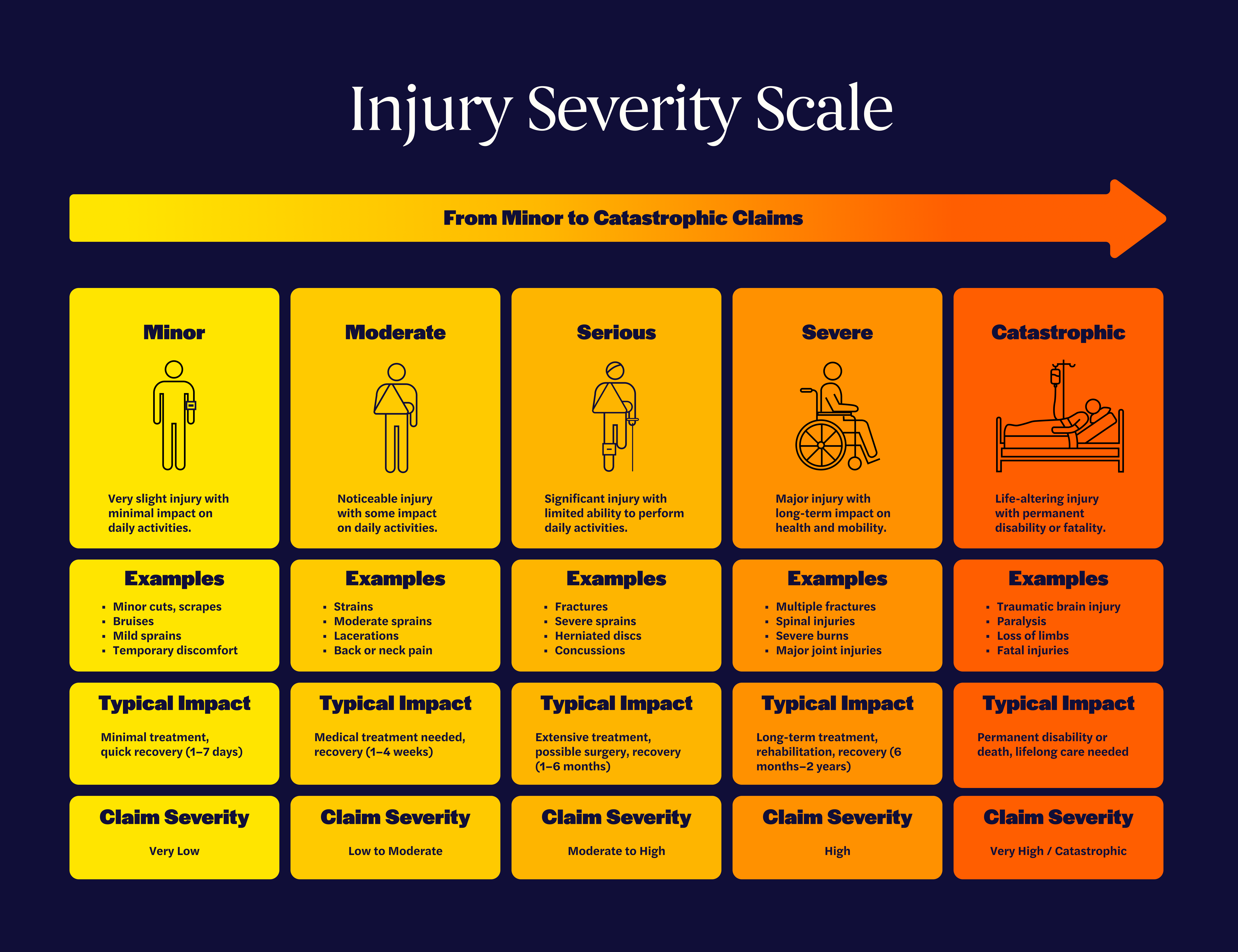
A personal injury claim is not valued only by what happened; it is valued by what can be proven. Good documentation helps connect the accident to the injury and the injury to the requested compensation.
A practical evidence checklist includes:
Timing also matters. Delayed treatment can give an insurer room to argue that the injury was not serious or was caused by something else. Gaps in care can create similar problems. If you stop treatment because you cannot afford it, because transportation is difficult, or because a provider discharged you, keep records that explain the reason.
Even a strong injury case can be affected by legal limits. One of the most important is the statute of limitations, which is the deadline for filing a lawsuit. The American Bar Association notes that every state sets time limits for personal injury lawsuits and that missing the deadline can result in the case being thrown out of court.
Fault rules are also critical. In many states, compensation can be reduced if the injured person shares blame. In some jurisdictions, too much fault can prevent recovery altogether. Texas is one example of a state with proportionate responsibility rules, and its statutes address how responsibility percentages affect recoverable damages.
Other legal issues may include damage caps, notice requirements for claims against government entities, special medical malpractice rules, workers’ compensation limits, and restrictions on punitive damages. Because these rules vary widely, anyone considering suing for personal injury should get jurisdiction-specific advice before relying on a general estimate.
A settlement is not only about the headline number. The structure and deductions can change the practical value of the outcome.
Common deductions may include:
The IRS says settlement tax treatment depends on the facts and circumstances, and settlement agreements may allocate payments among categories such as back pay, emotional distress, and attorney fees. Clear allocation can matter because different categories may be treated differently for tax purposes.
Payment structure matters too. A lump sum gives immediate access to funds, which can help pay bills, replace income, or resolve debts. It also requires careful budgeting, especially after a serious injury. A structured settlement pays funds over time, which may help with long-term care, monthly stability, or protecting a vulnerable claimant from spending too quickly. The better option depends on medical needs, family finances, taxes, age, and risk tolerance.
Insurance companies often move faster than the injured person’s recovery. A quick offer may be tempting, especially when bills are arriving, but settling too early can be risky if future treatment is unknown.
Before accepting an offer, consider these steps:
Personal injury compensation guidelines are best understood as a framework, not a calculator with one guaranteed answer. Fair personal injury payouts depend on medical proof, financial losses, pain and suffering, future needs, fault, insurance coverage, deadlines, and the law of the state where the claim is brought.
If you are dealing with personal injury claims after an accident, focus first on treatment, documentation, and deadlines. Then evaluate the full picture before accepting an offer. A careful approach can make the difference between a settlement that only covers today’s bills and one that accounts for the real cost of recovery.
Disclaimer: The information provided in this guide is for educational and informational purposes only and does not constitute legal advice or establish an attorney-client relationship. If you require legal assistance, please consult with a qualified attorney regarding your specific situation.
.png)
Explore more blogs and helpful insights on personal injury law and your rights.

Our team will review your information and will contact you within three hours during our work day. If it’s outside of our business hours, please give us 24 hours for us to get back to you. If you need to speak with someone sooner, please call us at +1 (844) 577-0226.


